
Some acronyms seem to pop up out of nowhere, and suddenly everyone appears to be talking about them. THCA is one of those. It’s showing up in conversations, product labels, specialist stores, and cannabis-related articles. But what exactly is it? Is it the same as THC? Does it get you high? And why is everyone so curious about it?
Let’s unpack the subject without unnecessary jargon or turning this into a chemistry lesson with a white lab coat.
What on Earth Is THCA?
THCA stands for tetrahydrocannabinolic acid. It’s a naturally occurring cannabinoid found in the cannabis plant, particularly in fresh, unheated plant material.
Although its name sounds remarkably similar to THC, the two aren’t exactly the same. In fact, THCA is the acidic precursor to delta-9-THC, the well-known cannabinoid responsible for many of cannabis’s psychoactive effects.
The difference comes down to a small chemical transformation that makes quite a big difference.
THCA vs. THC, Similar Names, Different Effects
Think of THCA and THC as two versions of the same story. They share a common origin, but they don’t necessarily produce the same results.
In its original form, THCA doesn’t produce the typical psychoactive effects associated with THC. In other words, it doesn’t cause the familiar high linked to THC-rich cannabis.
So, what changes?
Heat. When cannabis is exposed to high temperatures, THCA undergoes a process called decarboxylation. During this transformation, it loses a carboxyl group and converts into THC.
Put simply: heat changes everything.
That’s why the chemical composition of cannabis can vary considerably depending on how it’s stored, processed, or consumed.
Decarboxylation. When Heat Enters the Picture
Decarboxylation is one of the key concepts to understand when talking about THCA.
This process can occur when cannabis plant material is heated. It can also happen gradually over time, although heat significantly speeds up the transformation.
Why does this matter?
Because it explains why a cannabis plant may contain high levels of THCA before heating and, after exposure to heat, have THC as its predominant cannabinoid.
It’s chemistry, not cannabis magic.
Does THCA Have Any Interesting Properties?
This is where scientific research starts to get interesting.
THCA is being studied for its potential biological properties, particularly in preclinical research involving inflammation, neuroprotection, and other cellular mechanisms.
However, it’s important to keep our feet on the ground: much of the available evidence comes from laboratory studies or research involving animals.
There is still insufficient clinical evidence to establish THCA as an effective treatment for specific medical conditions.
Just because a cannabinoid shows promise in a laboratory doesn’t mean it has been proven to work as a medicine in humans. Science takes time, carefully designed studies, and reproducible results.
Where Can You Find THCA?
THCA can be found in several cannabis-related products and preparations:
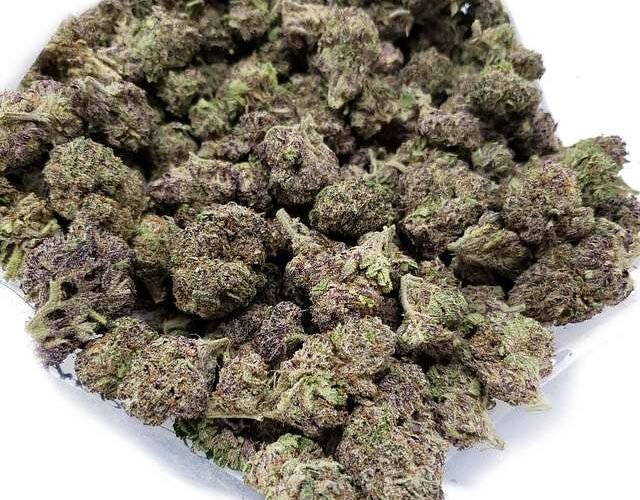
- Cannabis flower: It can contain significant concentrations of THCA before being heated.
- Extracts and concentrates: Some products are marketed with high concentrations of this cannabinoid.
- Unheated preparations: These may retain some of the THCA naturally present in the plant.
- Specialty products: Some commercial formulations highlight THCA content as their main selling point.
That said, an impressive-looking label doesn’t guarantee product quality or safety. Independent laboratory testing is essential to verify the actual composition of a product.
Is THCA Legal?
This is one of the most common questions, and also one of the trickiest to answer.
The legal status of THCA varies considerably between countries and jurisdictions. The fact that it isn’t identical to THC and doesn’t produce the same psychoactive effects in its original form doesn’t automatically mean that every product containing it is legal.
Authorities may consider several factors, including chemical composition, cannabinoid concentrations, the product’s origin, its presentation, its intended use, and the specific legislation governing cannabis and controlled substances.
Some regulations distinguish between THCA and THC, while others may apply broader rules to cannabinoids or cannabis-derived products.
That’s why it’s important to check the current regulations in the relevant location before purchasing, selling, or transporting THCA products.
What’s printed on a product label and what’s permitted by law are two very different things.
Is THCA Safe?
The honest answer is that there are still plenty of unanswered questions.
Although unconverted THCA doesn’t produce the characteristic psychoactive effects of THC, that doesn’t automatically make it completely safe.
There are several things worth considering:
- Research into its long-term effects in humans remains limited.
- The quality and purity of commercial products can vary.
- Some products may contain contaminants or cannabinoid levels that differ from what their labels claim.
- When heated, THCA can convert into THC and produce psychoactive effects.
For these reasons, it’s worth being skeptical of any marketing that presents THCA as a miracle compound, completely harmless, or a substitute for medical treatment.
So, Why Is Everyone Talking About THCA?
THCA’s growing popularity has a lot to do with increasing interest in cannabinoids and the search for new products within the cannabis market.
There’s also the confusion between THCA and THC. Their names are practically identical, but their chemical characteristics and effects are not.
Then there’s marketing. Talking about a lesser-known cannabinoid naturally sparks curiosity, especially when it’s presented as the next big thing.
But not everything that sounds revolutionary actually is.
The Bottom Line. THCA Is Worth Exploring, But Don’t Believe the Hype
THCA is a naturally occurring cannabinoid in cannabis and the chemical precursor to THC. Its main distinguishing feature is that it can convert into THC through a process called decarboxylation when exposed to heat.
Scientific research is exploring its potential applications, although solid clinical evidence is still lacking to establish specific therapeutic benefits.
So yes, THCA is interesting. It has fascinating chemistry, plenty of research potential, and an increasingly visible place in the cannabis world.
But here’s something worth remembering: there’s a considerable difference between a promising molecule, a marketing claim, and a scientifically proven benefit.
And in the world of cannabinoids, just like in most things, a little curiosity is a good thing. A healthy dose of critical thinking is even better.


